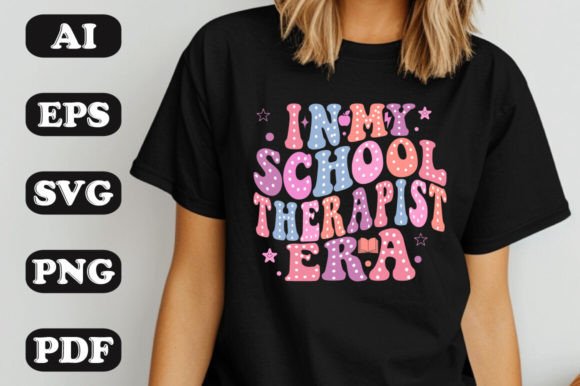
Review: In My School Therapist Era Wavy SVG T-
As a designer who spends half my life digitizing and the other half stitching, I have learned that not every trendy graphic translates well to thread. We often see viral phrases and wavy text designs flooding the market, but the real test is how they hold up under the needle. Recently, I evaluated in My School Therapist Era Wavy SVG T- to determine its viability for real-world embroidery projects. This is not just about whether the design looks cute on a screen; it is about whether it creates a high-quality finished product that customers will love and wear with pride.
First Impressions: Mood and Visual Personality
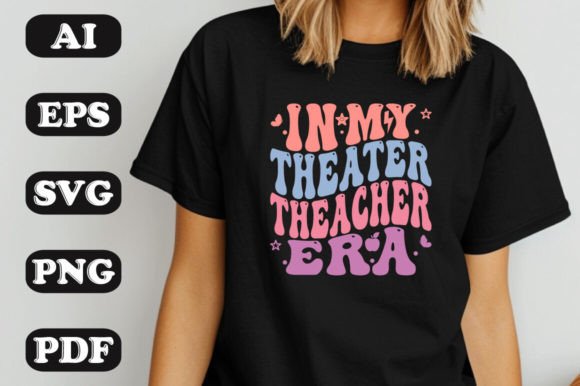
The first thing that strikes you about in My School Therapist Era Wavy SVG T- is its playful yet grounded aesthetic. The wavy typography suggests movement and approachability, which aligns perfectly with the "therapist era" theme—a nod to mental health awareness, self-care, and the supportive role of educators and counselors. For an embroidery designer, this layout presents both opportunities and challenges. The curves are organic, which prevents the design from looking rigid or corporate, but they require careful handling to ensure the lettering remains legible once stitched.
This design naturally belongs to projects that aim for comfort and connection. It feels right at home on soft, cozy items rather than stiff, formal wear. When I visualized this as a machine embroidery design, I immediately thought of oversized sweatshirts, canvas tote bags, and perhaps even structured caps where the wavy baseline could follow the curve of the fabric. It captures a specific cultural moment, making it highly relevant for Etsy sellers and small shop product lines targeting teachers, school staff, and mental health advocates.
Real-World Application: From Screen to Stitch
To truly understand the value of this asset, I imagined applying it to a custom order for a local elementary school counselor. The goal was to create a personalized gift that felt professional yet warm. I considered using this design on a high-quality cotton hoodie. The wavy text offers a dynamic silhouette that breaks up the large blank space on the chest or back of a garment effectively.
However, because the source files are described as SVG and AI (vector graphics), there is a critical step missing for embroiderers: digitization. You cannot simply plug an SVG into an embroidery machine. You must convert these Graphics into a proper embroidery file. This is where the designer’s eye becomes crucial. The wavy nature of the text means that if you rely solely on auto-digitizing, you might end up with messy corners or uneven stitch angles. A manual approach, using a combination of satin stitch for smaller text elements and fill stitch for larger letters, would yield the best results. This ensures that the "wavy" effect remains smooth and not jagged due to poor stitch placement.
For those running a craft business, this design is versatile. It works beautifully as a tote bag design, where the durability of thread adds a premium feel compared to vinyl heat transfers. It also serves well as sweatshirt embroidery, adding texture and depth that printed T-Shirt Designs simply cannot match. The tactile quality of the stitches enhances the perceived value of the item, allowing you to charge more for a handmade product than a mass-produced alternative.
Navigating Technical Challenges
While the aesthetic is strong, we must discuss where in My School Therapist Era Wavy SVG T- requires caution. Embroidery is unforgiving of poor planning. Here are the key areas where you need to exercise professional judgment:
- Small Hoop Sizes: If you attempt to shrink this design to fit a 4x4 hoop for a baby item or a pocket patch, the legibility of the wavy text may suffer. Tiny details can get lost in the stitch density. Always test a scaled-down version on scrap fabric first.
- Fabric Texture and Type: This design relies on clear lines. On highly textured fabrics like terry cloth or fuzzy fleece, fine details can disappear. Conversely, on thin or stretchy fabrics, the weight of the embroidery can cause puckering. Using the correct stabilizer is non-negotiable here. A cut-away stabilizer is likely best for garments that will be washed frequently, ensuring the design stays flat and secure.
- Curved Surfaces: Applying this to a cap or hat requires careful hooping. The wavy baseline might distort if the fabric shifts during stitching. Ensure your cap frame is tight and consider using a water-soluble topping to keep stitches from sinking into the twill fabric.
- Thread Color Contrast: Because the design is text-based, contrast is key. On dark fabrics, use light threads, and vice versa. Avoid low-contrast combinations, as the wavy shape might become difficult to read from a distance.
Enhancing Brand Consistency and Customer Trust
For commercial embroidery professionals and digital product sellers, consistency is everything. Using a well-thought-out design like in My School Therapist Era Wavy SVG T- can help build a cohesive brand identity. If you specialize in school-related apparel, this design fits seamlessly into a collection that values empathy and support. It signals to your customers that you understand their niche.
Moreover, the quality of the execution directly impacts customer trust. A cleanly stitched design with trimmed jump stitches and proper tension shows professionalism. It turns a simple personalized gift into a keepsake. When customers see that the thread colors are vibrant and the edges are crisp, they are more likely to leave positive reviews and return for future purchases. This is particularly important for holiday embroidery seasons or back-to-school rushes, where volume is high and quality control can sometimes slip.
Practical Designer Notes for Best Results
Before you commit to producing this design for your small business merchandise or client orders, follow these practical steps:
- Digitize with Care: Since the provided files are AI and SVG, you must digitize them for embroidery. Pay attention to the underlay stitches to prevent fabric distortion.
- Test on Scrap Fabric: Never stitch directly on the final garment. Run a test on the same fabric type to check for puckering or thread breaks.
- Check Licensing: Confirm the license terms for the original vector art. While you are creating a new embroidered derivative, ensure you have the right to use the base design for commercial purposes.
- Mockup Variations: Create printable mockup images showing the design on different colored garments. This helps customers visualize the final look and increases conversion rates for online listings.
- Consider Applique: If the design is large, consider an applique design approach where fabric pieces are stitched down. This reduces stitch count and bulk, making it more comfortable for wearables like hoodies.
In conclusion, in My School Therapist Era Wavy SVG T- is a promising candidate for embroidery projects when handled with technical precision. It bridges the gap between trending digital aesthetics and tangible, high-value textile art. By respecting the limitations of the medium and focusing on quality execution, you can transform this graphic into a standout piece for your portfolio or shop. Whether you are creating a custom apparel line or a one-off embroidered patch, the key lies in the details. Treat the design with the respect it deserves, and it will reward you with a beautiful, durable, and meaningful finished product.